Delhi EV Policy 2.0 Comes into Effect from July 1 to Boost Electric Vehicle Adoption Through Subsidies and Incentives Till March 2030
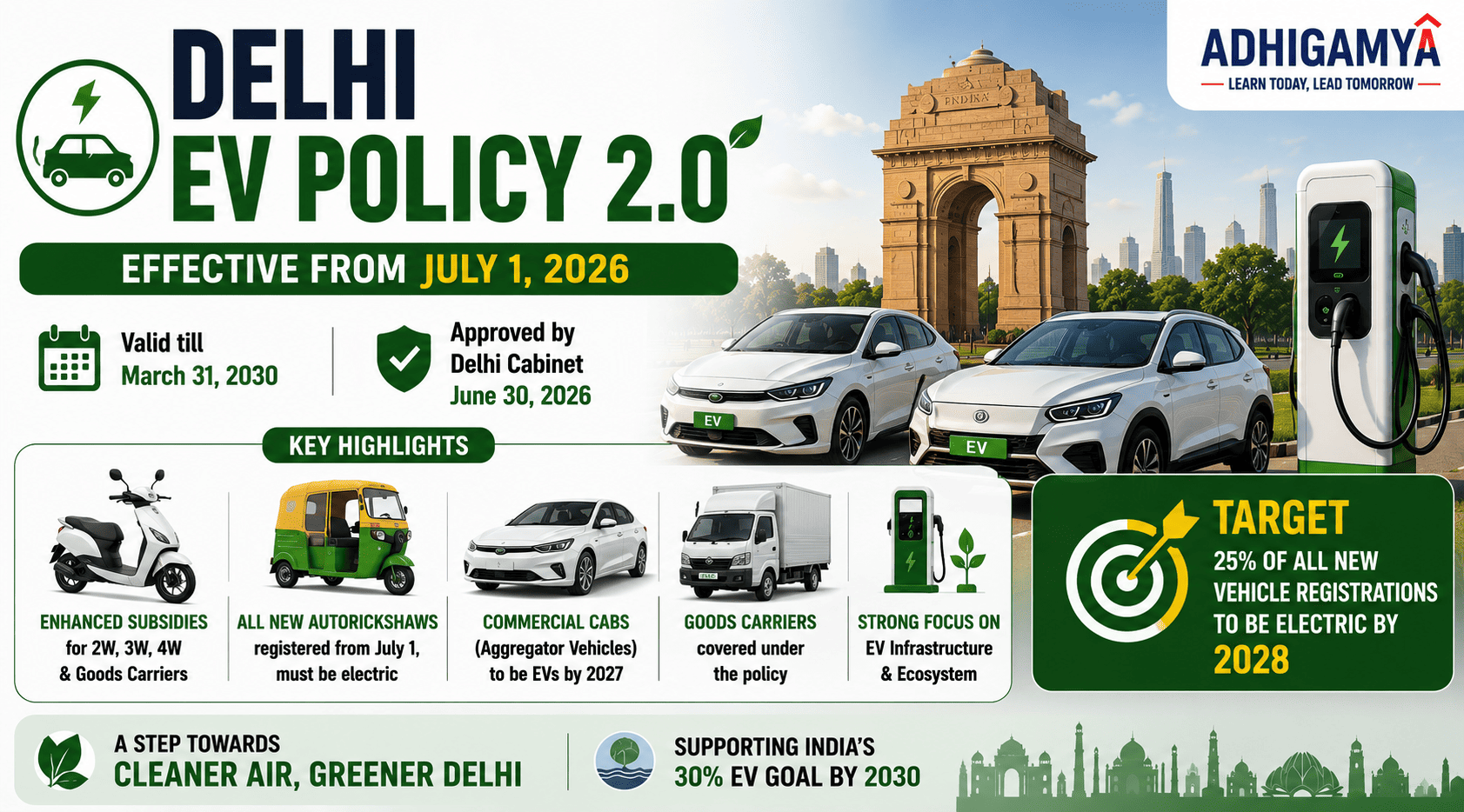
The Delhi government's Electric Vehicle Policy 2.0 officially came into force today, July 1, 2026, and will remain in effect until March 31, 2030. The policy was approved by the Delhi Cabinet on June 30 and replaces the original Delhi EV Policy that was launched in August 2020. It aims to significantly accelerate the adoption of electric vehicles across all categories in the national capital by offering direct subsidies, reducing upfront purchase costs, and creating supporting infrastructure.
The new policy expands on the original framework with enhanced purchase incentives for two-wheelers, three-wheelers, four-wheelers, and goods carriers. It also mandates that all new autorickshaws registered in Delhi from July 1 must be electric, and all new commercial aggregator vehicles such as cab services must transition to EVs by 2027. The government has set a target of making Delhi a leading EV city in India with 25 per cent of all new vehicle registrations being electric by 2028. The policy is also linked to Delhi's air quality improvement goals and the broader national target of 30 per cent EV penetration by 2030.
Why in News: The Delhi EV Policy 2.0 comes into effect today which makes it a direct current affairs question for SSC CGL, Banking, UPSC, and Railway exams. Questions will focus on the policy name, effective date, end date, the city it covers, the autorickshaw mandate, and the EV registration target.
Key Points to Remember:
- Delhi EV Policy 2.0 effective from: July 1, 2026
- Valid till: March 31, 2030
- Approved by Delhi Cabinet: June 30, 2026
- Replaces: Delhi EV Policy 2020 (launched August 2020)
- Key mandate: All new autorickshaws registered in Delhi from July 1 must be electric
- Commercial cab aggregator vehicles must transition to EVs by 2027
- Target: 25 per cent of all new vehicle registrations to be electric by 2028
- Covers: Two-wheelers, three-wheelers, four-wheelers, goods carriers
- Linked to Delhi's air quality goals and national 30 per cent EV target by 2030
- Delhi CM (2026): Rekha Gupta (BJP)
- Delhi LG (2026): Vinai Kumar Saxena
Related Static GK:
- Delhi EV Policy 2020: Launched August 7, 2020; first of its kind for any Indian state or UT
- FAME Scheme full form: Faster Adoption and Manufacturing of Electric Vehicles; launched 2015 by Ministry of Heavy Industries
- PM-e-DRIVE Scheme: Successor to FAME II; launched September 2024; demand incentives for EVs
- NEMMP full form: National Electric Mobility Mission Plan; launched 2013
- India's EV target: 30 per cent of all vehicles to be electric by 2030 (NITI Aayog)
- Delhi is India's most polluted major city; transport sector contributes significantly to PM2.5 levels
- CAQM full form: Commission for Air Quality Management in NCR and Adjoining Areas; oversees pollution control in Delhi-NCR